







Communication is a bridge that connects us to the world around us. Among the many languages we use, sign language stands out as a powerful and expressive form of communication. Teaching sign language to children, whether they’re hearing or non-hearing, brings forth a multitude of benefits that extend far beyond just learning a new way to communicate. Let’s explore why sign language is a valuable skill to introduce to children and the numerous advantages it offers.
Sign language is a rich, visual language that transcends linguistic barriers. Teaching children sign language from an early age opens up a world of communication not just within their immediate circles but also across diverse communities globally. American Sign Language (ASL) and other sign languages serve as bridges that connect people, enabling communication across different cultures and languages.
Teaching sign language to children supports early language development. Studies show that infants as young as six months can start using simple signs, facilitating communication before they can speak.
Learning sign language expands a child’s vocabulary, encouraging them to express themselves using a broader range of words and concepts. This enhances their overall language skills, including speech development and comprehension.
Studies suggest that children exposed to sign language tend to have better reading and writing skills. The visual and spatial aspects of sign language contribute to enhanced literacy skills and cognitive development.
Sign language empowers children to express their thoughts, emotions, and needs more effectively. It provides an outlet for communication, reducing frustration and fostering emotional development.
Teaching sign language promotes empathy and inclusivity among children. Understanding and embracing different forms of communication cultivates empathy and respect for diverse perspectives and abilities.
Learning sign language can strengthen bonds between children and family members, especially if someone in the family uses sign language. It fosters a deeper connection and understanding within the family unit.
Research suggests that learning sign language can improve memory retention and overall cognitive abilities. The multi-sensory nature of signing engages different parts of the brain, enhancing cognitive development.
Sign language involves spatial awareness and problem-solving skills as children learn to visualize and replicate gestures. This enhances their spatial cognition and critical thinking abilities.
For children with hearing impairments, sign language is a vital tool for communication and integration. Teaching sign language in inclusive educational settings fosters an environment where everyone can communicate effectively.
Introducing sign language in educational settings promotes inclusivity and diversity. It encourages a culture of acceptance and understanding among children of varying abilities and backgrounds.
Learning sign language exposes children to different cultures and communities, fostering cultural appreciation and understanding. It encourages respect for diversity and promotes a global perspective.
Sign language is not confined by borders. Teaching children sign language encourages a global mindset, facilitating communication and connections with people from diverse backgrounds worldwide.
Sign language serves as a practical communication tool in various settings, from facilitating communication in noisy environments to enabling silent communication across distances.
Learning sign language is a lifelong skill that children can carry with them into adulthood. It opens doors to diverse career paths, volunteer opportunities, and enriches personal interactions throughout their lives.
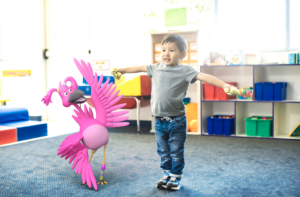
Teaching sign language to children goes beyond just learning a new way to communicate—it fosters inclusivity, enhances cognitive development, and promotes empathy and global understanding. Embracing sign language as a valuable form of communication empowers children to connect, express themselves, and navigate the world with increased awareness, compassion, and a deeper appreciation for diversity. It’s a beautiful bridge that unites hearts and minds, fostering a more inclusive and connected world for generations to come. Children can learn sign language while having fun by watching videos on the topic from Bubbles and Friends!















Powered by Bipper Media - a world class SEO agency. Check your website SEO authority score instantly here. Get VIP SEO services to grow your business!
