Register With Google Business?
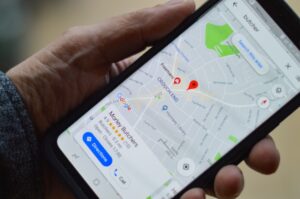
The first and most important step in any local SEO guide is to register with Google Business. If you don’t know what it is, then chances are you will have used it before when searching. These are the listing for stores, restaurants, and services that appear at the top of a page when you search for certain topics.
All you need to do is input your details, such as address and business hours. The more information you provide, the better it is. You will get a pin code to your inbox to verify, then within a few days, you will find yourself listed on the search engine.
Once registered, your aim should be to get yourself into the famed “Three Pack.” These are the top three listings that show when certain search terms are typed. This increases the chance of your website gaining traffic.
Add Contact Details to Your Website
As well as providing Google with your details, it is also important for local SEO to have them on the website itself. Start by adding a contact page. It should contain your address, phone number, email, and the addresses of each location if you have multiple ones.
Phone numbers should be easily clickable on mobile devices. All of your location pages should also be linked to a navigation menu.
Get the Right Keywords
Keywords are the terms that people type in search engines. If your SEO is good enough and you have those keywords on your website, then your pages will rank in the search. With local SEO, finding the right keywords requires digging a little deeper.
You are not looking for terms that are searched for globally. Aim to find ones that are applicable to your local area. Perhaps they have place names and streets included in them.
You should also check local dialects and languages. For example, it is no use optimizing for ‘bars in London’ if people are searching for ‘pubs in London’.
Get Social
While social media does not increase your local SEO ranking per se, it does drive more traffic to your website and is a great way to share content. When you get more traffic, these in turn enhance your SEO score. As many social media sites have high domain levels, they are a good way to rank in the early days.
Facebook for Business is one you can use, but there are many more. Apple Maps, LinkedIn, and Foursquare are a few more to consider.
Create Content
The digital marketing adage says that content is king. This is pretty much spot on though it has to be done correctly. Poor content is as bad as none at all.
Content is great as it shows you as an authority. When you create it, it is shared online and this helps build brand awareness while driving traffic back to your site. While there are lots of different types of content you can create, ranging from videos to podcasts, the easiest and most useful to get started on are blogs.
Blogs are a great place to embed your keywords, allowing you to be easily found online. The trick is to provide content that helps people out in some way. Perhaps your blog may be a how-to guide, or it may provide people with a recipe.
You should always ensure content is original and not scraped from other websites. Search engines penalize duplicate content heavily, so always make something new and fresh.
Reference Your Location
If you reference your location throughout your website, it is a strong signal to search engines about where you are located. You don’t want to overstuff the site with it, but there are four key areas you can aim for.
Start by adding them to the title tags of content you create. Place the location in the meta description and in any relevant headings. You can also place it contextually within the body of the website pages.
When you have multiple locations, then it may be worth creating a separate page with a URL for each one. Include the area, so each one will show up separately when searched for online.
Focus On Reviews
There are a number of places you can be reviewed online. Google Business, Facebook, and trade listing sites are good places to start. While they don’t help SEO directly, they do show you favorably in the eyes of the customer.
You can get great reviews by asking current customers to leave reviews for you. Perhaps give them an incentive, such as money off their next product or service.
Even if you have an odd unfavorable review, replying to them can show you value customer service. Always make sure you appear positive, explaining the problem and offering to fix it.
Build Backlinks
Backlinks are a link from one website to your own. They act as a recommendation to search engines. The higher the domain authority linking to your website, the better the link is.
Anchor text is the words that include the link. Including your location and service in the anchor text gives search engines a better idea of your product. If you are unsure about how to build links, visit our article here.
Implementing a Local SEO Checklist
Now you know the essential points on a local SEO checklist, create a plan for implementing them. It should work hand in hand with your marketing strategy, so if you have a department speak with them. Alternatively, get some assistance from a third party.