





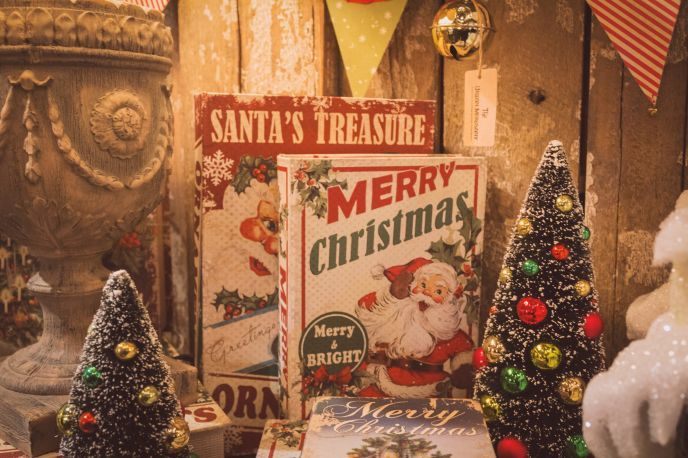
 The glitz and glamor, gifts and goodies of Christmas are what the holiday is best known for, but does everyone really know the rich history behind the holiday? There’s more to it than putting up a Christmas tree and singing Christmas carols. This holiday is a carefully woven tapestry incorporating dozens of different cultural, historical, and religious influences from all different parts of the world. Of course, how we celebrate Christmas has evolved significantly, but below is a brief overview of the rich history of Christmas!
The winter solstice can be traced back as one of the earliest holidays celebrated around the time of modern-day Christmas. The winter solstice was celebrated to mark the shortest day and longest night of the year in the Northern Hemisphere. Different cultures and civilizations in history have celebrated the winter solstice for different reasons. Some celebrate it as a symbol of the rebirth of the sun and the promise of longer, sunnier days to come. Civilizations like ancient Rome celebrated Saturnalia, a festival that honored the god Saturn, which coincided with the time of winter solstice. Saturnalia (held in late December) was a festival very similar to Christmas. It was characterized by gift-giving and festivities. It was even celebrated with a temporary suspension of social norms, such as the role reversal between slaves and masters. These joyous celebrations and times in late December set the scene for what Christmas would soon become, and how this holiday would soon be celebrated.

As Christianity spread across Europe, church leaders wanted to Christianize pagan celebrations and traditions. They did so by officially declaring December 25 as the date to celebrate the birth of Jesus Christ, which coincided with the existing Roman and Pagan traditions. This was officialized in the 4th century by Pope Julius I. As stories about the birth of Jesus became more popular along with the holiday of Christmas, nativity plays depicting His birth became widespread. Similarly, Christmas carols (initially sung in Latin and later translated to other languages) were also slowly spreading across the continent, making the celebration of Christmas more accessible to the general public. Other cultural elements from Pagan holidays were soon incorporated as Christmas traditions. Customs such as decorating evergreen trees and gift giving slowly blended the secular customs with the church’s Christian ones.

In the 17th and 18th centuries, the Protestant Reformation saw a multitude of varying attitudes toward Christmas. Some were ecstatic to continue celebrating the holiday, but others, such as Puritans in England or in the New American colonies, rejected it as too festive. They tended to take a more somber approach to Christmas. They viewed it as too similar to Pagan traditions and did not think it appropriate to celebrate a Christian holiday in the same way. On the other hand, in the 19th century, the world experienced a revival of Christmas traditions, largely influenced by the reigning Queen Victoria of England and her husband, Prince Albert. Emphasis on family gatherings, greeting cards with Christmas photos, and decorating Christmas trees became staples during the holiday season in this time.

Modern day Christmas places a lot of significance on the importance of Santa Claus, who has roots in many different real-life figures in history. One such figure is Saint Nicholas, a bishop from the 4th century who was known for his generosity to the poor. The Dutch Sinterklaas and also the English Father Christmas helped to shape this Santa Claus legend. These legends helped to emphasize the importance of being “naughty over nice” as well as the concepts of gift giving and being selfless during the holidays. Christmas has also become much more commercialized in recent years. There is significant emphasis on shopping, gift exchanges, decorative homes, etc. Popular culture and social media also place emphasis on these things, as do movies and songs from the 20th and 21st centuries. As technology has made it easier for cultures to connect and share their cultures, Christmas has become widely celebrated, even by those who are not Christian or have no ties to the holiday. Different cultures and regions will incorporate their own customs, food, music, and festivities to create different and diverse but beautiful Christmas celebrations every December!










Powered by Bipper Media - a world class SEO agency. Check your website SEO authority score instantly here. Get VIP SEO services to grow your business!